
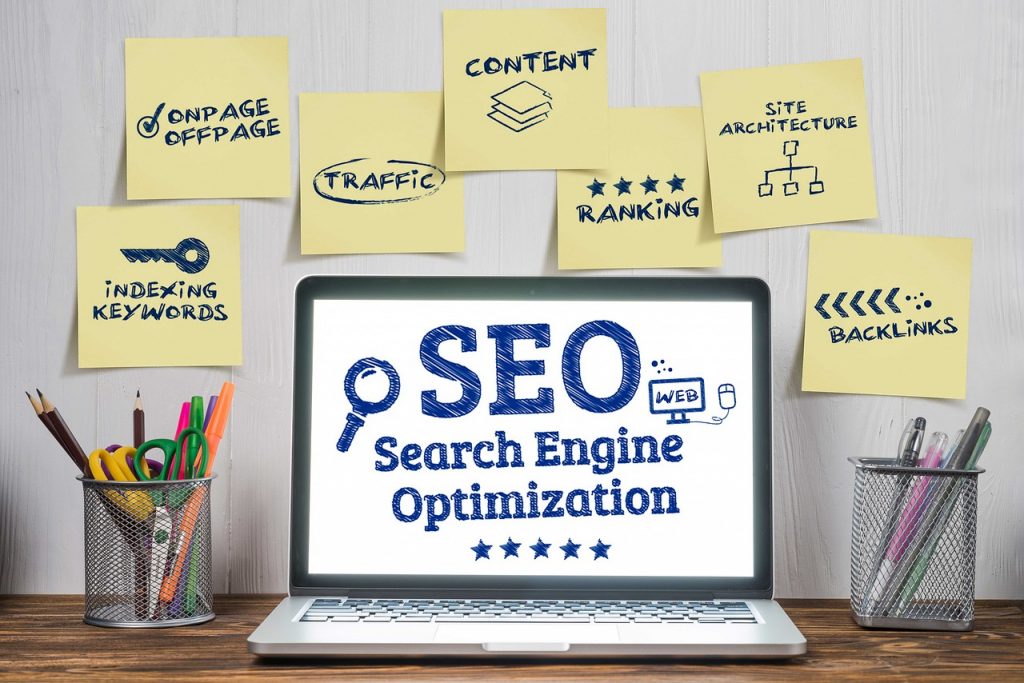
In today’s digital world, a website without traffic is like a store without customers. To attract visitors, it’s essential to adopt the right strategies that make your site visible and engaging. Boost traffic with SEO website practices can be the catalyst for your online growth. SEO is not a one-time fix, but a continuous process that requires a deep understanding of how search engines work and how to optimize your content accordingly.
With the right approach, SEO can be the key to increasing your website’s traffic and visibility, ensuring your content is discovered by the right audience at the right time. By leveraging essential tips for SEO success, you can significantly enhance your website’s reach and performance, making it a powerful tool for business growth.
Start with Comprehensive Keyword Research
One of the most crucial steps in driving traffic to your website is understanding what your audience is searching for. Keywords are the foundation of SEO, and without knowing which terms and phrases your potential visitors are using, optimizing your website becomes a guessing game. Keyword research involves identifying relevant words and phrases that your audience uses when looking for products, services, or information that you offer.
Tools like Google Keyword Planner, Ahrefs, and SEMrush can help uncover high-volume, low-competition keywords that will help you target the right audience. Once you have your keywords, strategically incorporate them into your website’s content, including titles, headers, meta descriptions, and body copy. By doing this, you’ll drive traffic through optimization, ensuring your site ranks higher on search engine results pages (SERPs) for those terms.
Optimize Your On-Page SEO
On-page SEO refers to all the elements you can control on your website to improve its ranking. These include things like title tags, meta descriptions, headers, and content. Optimizing these elements is a surefire way to boost traffic with SEO website tactics. Here are some key on-page SEO tips:
Title Tags and Meta Descriptions
Your title tag is one of the first things search engines and users see, so it’s important to make it count. It should be concise, descriptive, and contain your primary keyword. Similarly, the meta description should be compelling and offer a brief summary of what users can expect on the page. These elements play a crucial role in SEO website growth strategies, as they not only help with rankings but also improve click-through rates (CTR).
Header Tags
Headers (H1, H2, H3) help structure your content and make it easier for both users and search engines to understand. The H1 tag should include your main keyword and describe the content of the page. Use H2 and H3 tags for subheadings to break up your content and include secondary keywords. This will help make your content more scannable and ensure your keywords are strategically placed throughout.
Content Quality
Content is king in the world of SEO. High-quality, valuable content not only helps you rank higher but also engages your audience, encouraging them to stay longer on your site. Ensure that your content answers users’ questions, provides solutions, and is tailored to their needs. Incorporating multimedia like images, videos, and infographics will also help enrich the user experience and keep visitors engaged.
Mobile Optimization is a Must
More than half of all website traffic now comes from mobile devices, making mobile optimization an absolute necessity. Google uses mobile-first indexing, meaning it primarily evaluates the mobile version of a site for rankings. If your website is not mobile-friendly, you risk losing a large portion of your audience and potential customers.
To boost traffic with SEO website, make sure your site is responsive and loads quickly on mobile devices. This means your design should automatically adjust to fit different screen sizes, and all the content should be accessible with minimal effort. Mobile optimization also includes making sure that images are appropriately sized, buttons are easy to click, and the site navigation is simple and intuitive.
Improve Site Speed for Better User Experience
Site speed is a critical factor not only for SEO but also for user experience. Slow-loading pages frustrate visitors and can lead to higher bounce rates, which negatively affect your rankings. Websites that load quickly tend to keep users engaged, encouraging them to stay longer and interact with more pages.
To improve site speed, optimize images by reducing file sizes without compromising quality. Use tools like Google PageSpeed Insights to identify and address performance bottlenecks. You can also enable browser caching, minify CSS and JavaScript files, and consider using a content delivery network (CDN) to further speed up your site.
Focus on Backlink Building
Backlinks are one of the most important ranking factors for search engines. These are links from other websites that point back to your site, signaling to search engines that your content is authoritative and trustworthy. Websites with more high-quality backlinks tend to rank higher on SERPs.
To build backlinks, focus on creating shareable content that others in your industry will want to link to. Guest blogging, influencer outreach, and partnerships with reputable websites are also great strategies for earning backlinks. The more high-quality backlinks you have, the more you’ll be able to drive traffic through optimization and improve your SEO performance.
Local SEO: Tap Into Your Community
If you have a local business, optimizing your website for local search is crucial. Local SEO helps you reach customers who are nearby and actively searching for your products or services. To improve your local SEO, start by claiming and optimizing your Google My Business listing. Make sure your name, address, and phone number (NAP) are consistent across all platforms.
In addition to this, use location-based keywords in your content, create locally relevant content, and encourage customer reviews. Local SEO not only helps improve your visibility in local search results but also increases your chances of appearing in the coveted local pack (the map results) on Google.
Analyze and Adjust Your Strategy
One of the key aspects of any successful SEO strategy is the ability to analyze performance and make adjustments as needed. Regularly check your website’s analytics using tools like Google Analytics and Google Search Console. These tools provide valuable insights into how your website is performing, what keywords are driving traffic, and where there may be room for improvement.
By continually monitoring and refining your SEO efforts, you can ensure your website stays competitive and maintains its rankings. This ongoing optimization is key to ensuring SEO website growth strategies continue to deliver long-term results.
Conclusion
Boosting traffic to your website through effective SEO is a journey, not a destination. By implementing these essential tips for SEO success, you can lay a solid foundation for improving your rankings and attracting more visitors. Whether it’s through keyword optimization, on-page SEO, or building backlinks, every effort you put into optimizing your website will pay off in the long run. Follow these best practices to boost traffic with SEO website tactics and watch your online presence grow, leading to higher engagement, more conversions, and overall business success.


More Stories
The Hidden Power of Technical SEO: Boosting Your Site’s Foundation for Maximum Visibility
Maximize Your Online Visibility: Unleashing the Power of Professional Website SEO Services
Ultimate Guide to Skyrocket Your Website’s Traffic with Proven SEO Services